

hanahau‘oli is Joyous Work
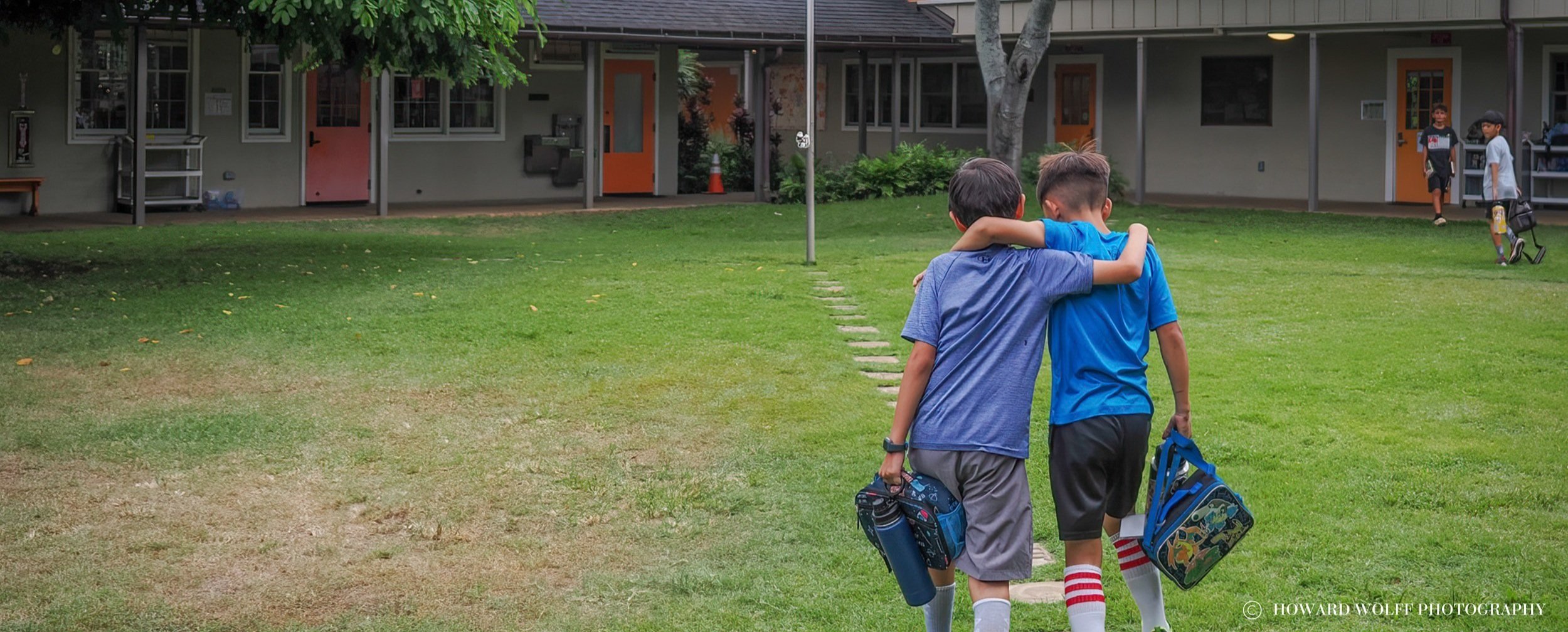
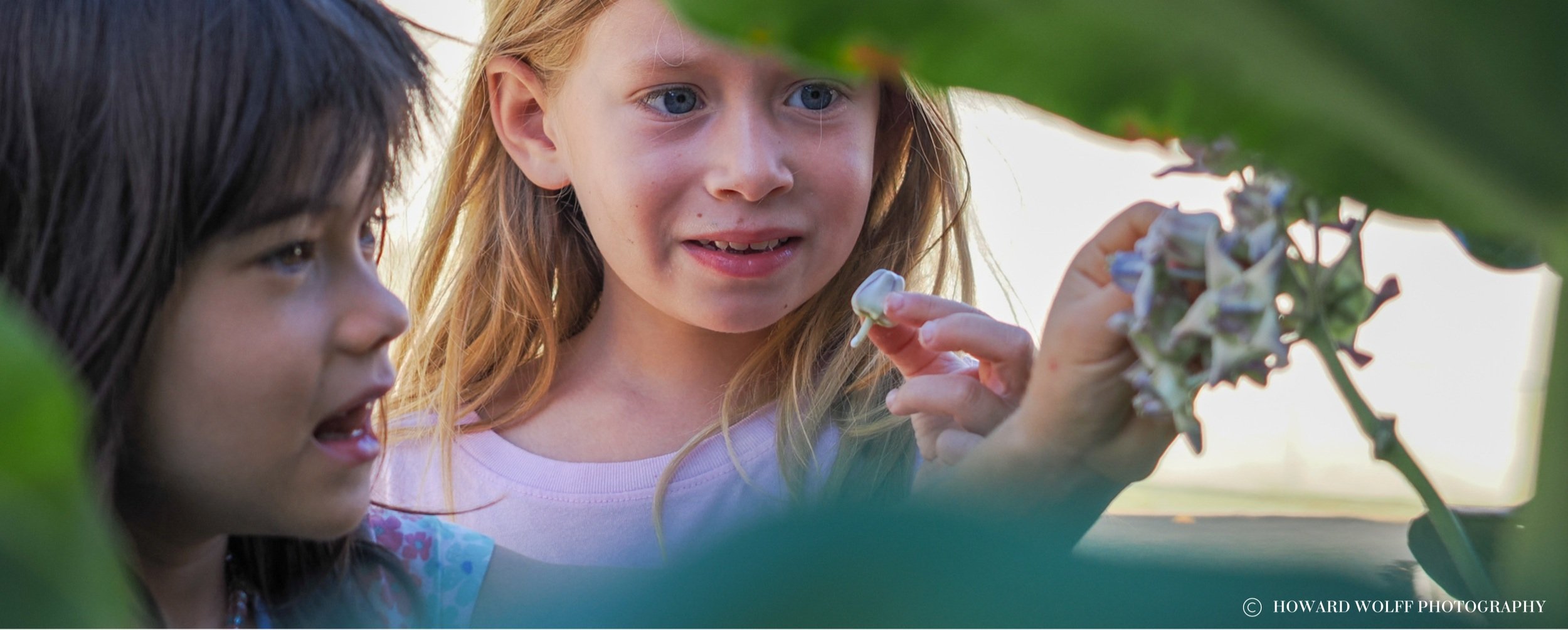
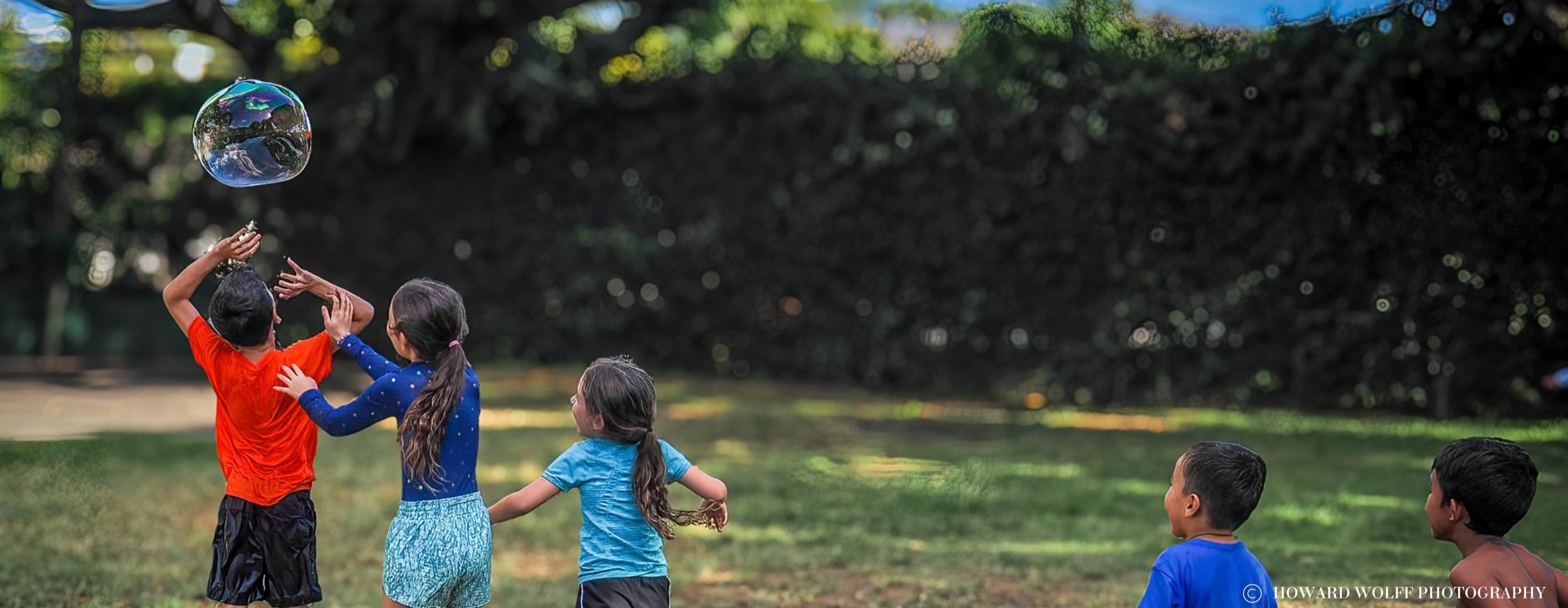
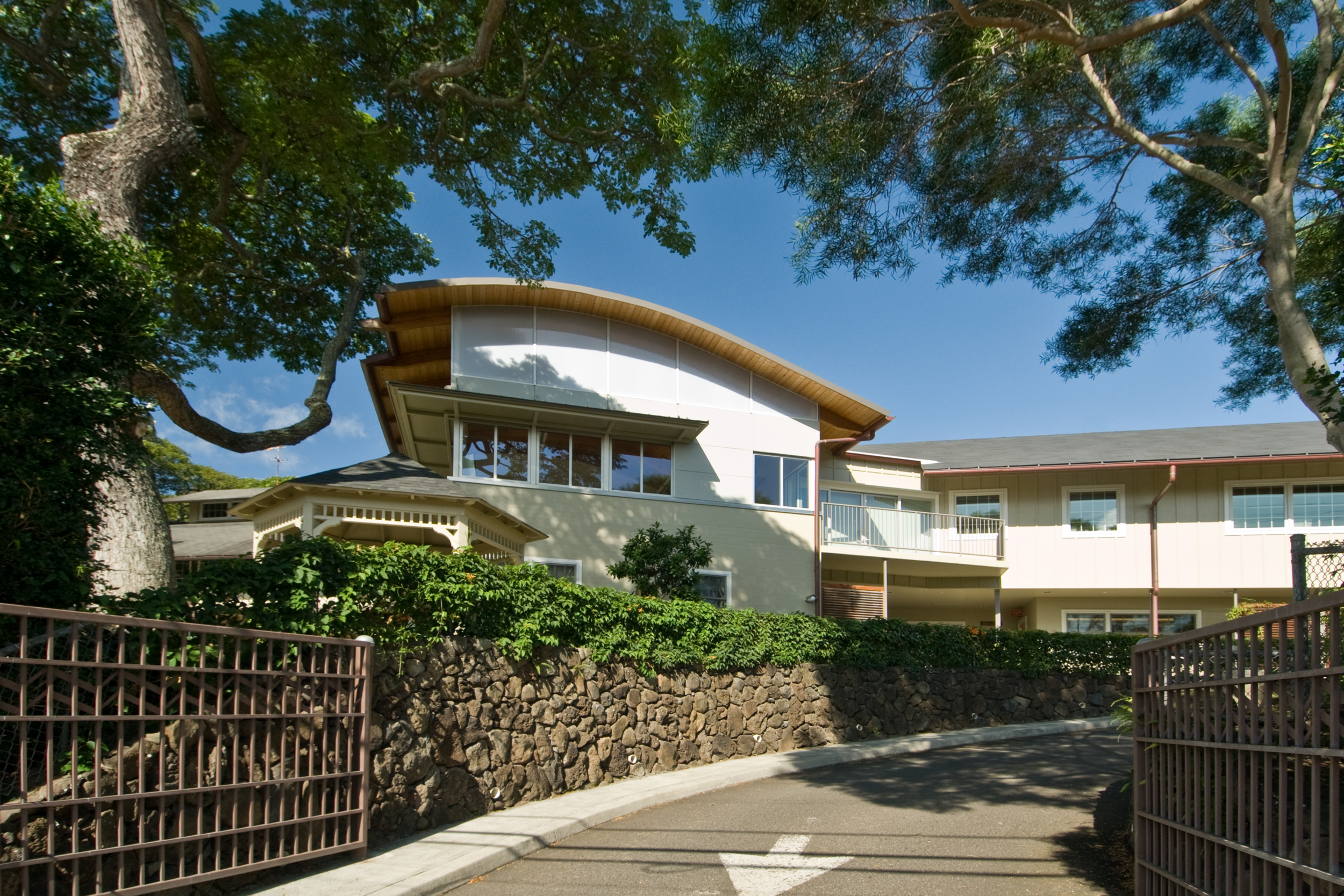
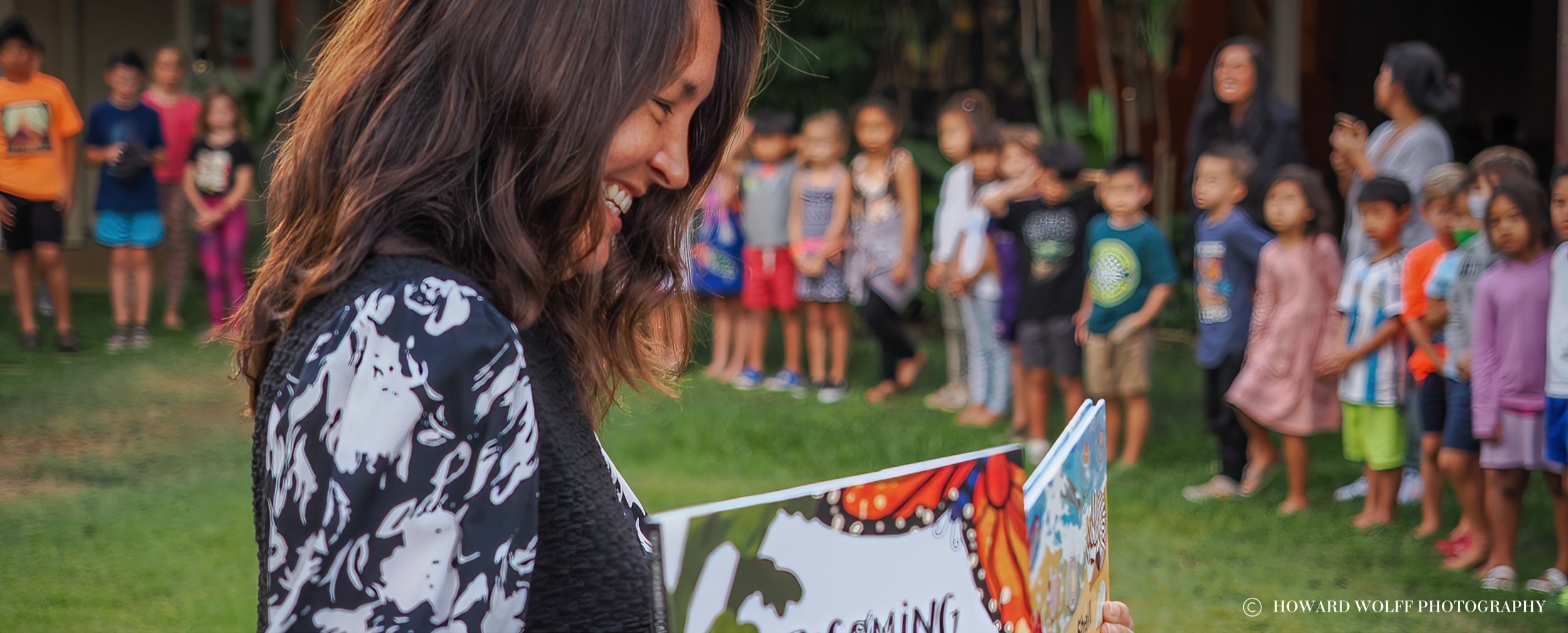
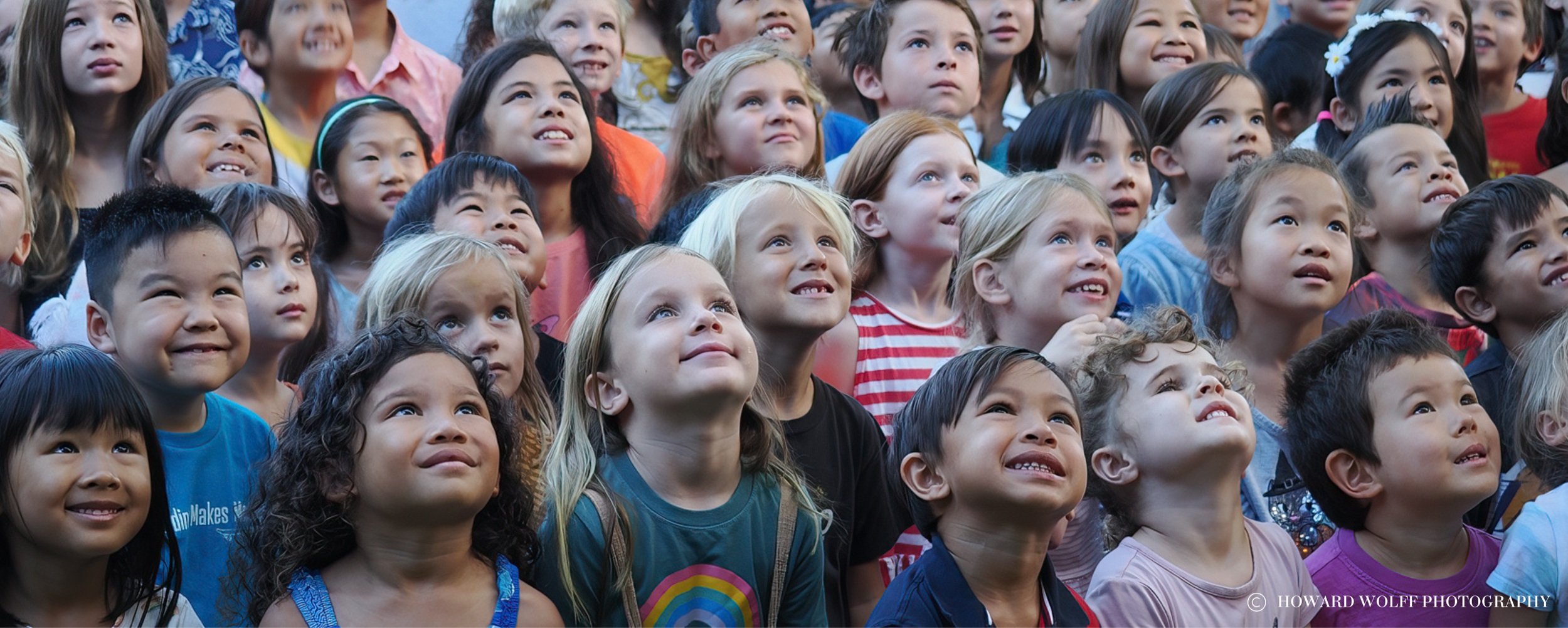
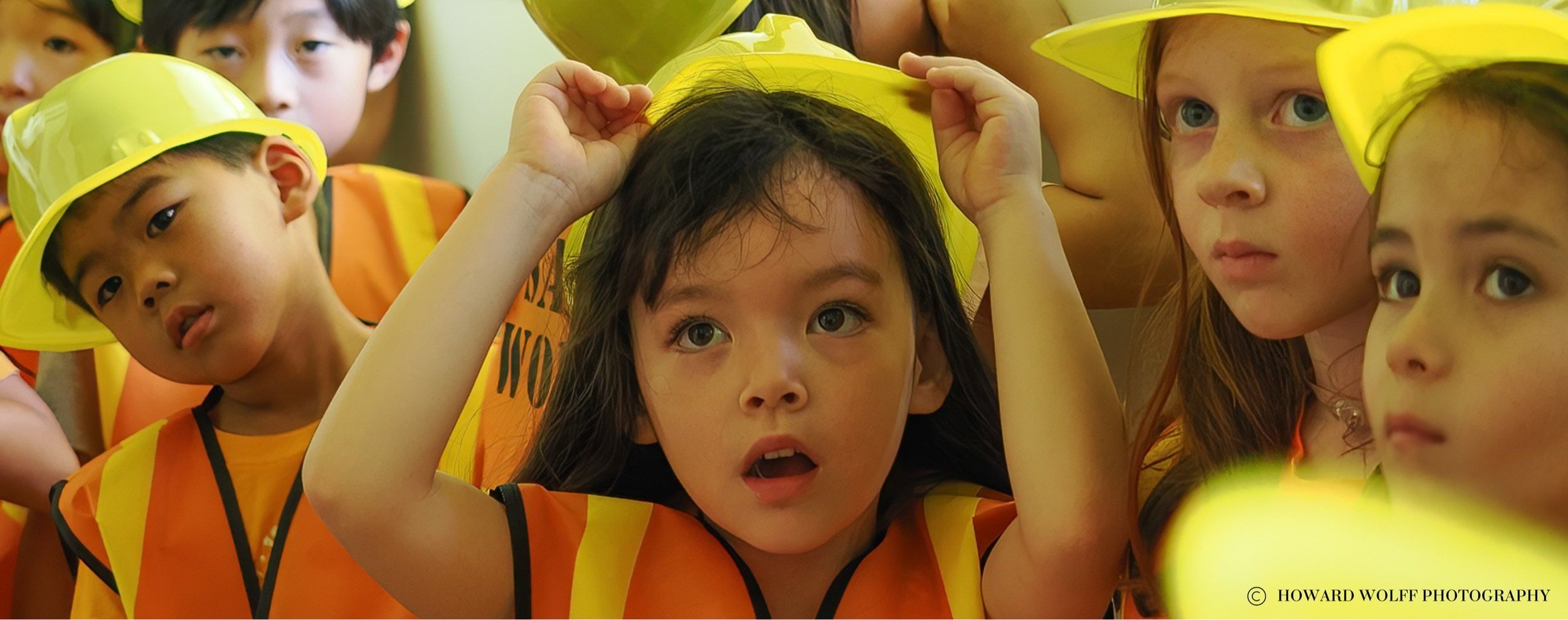
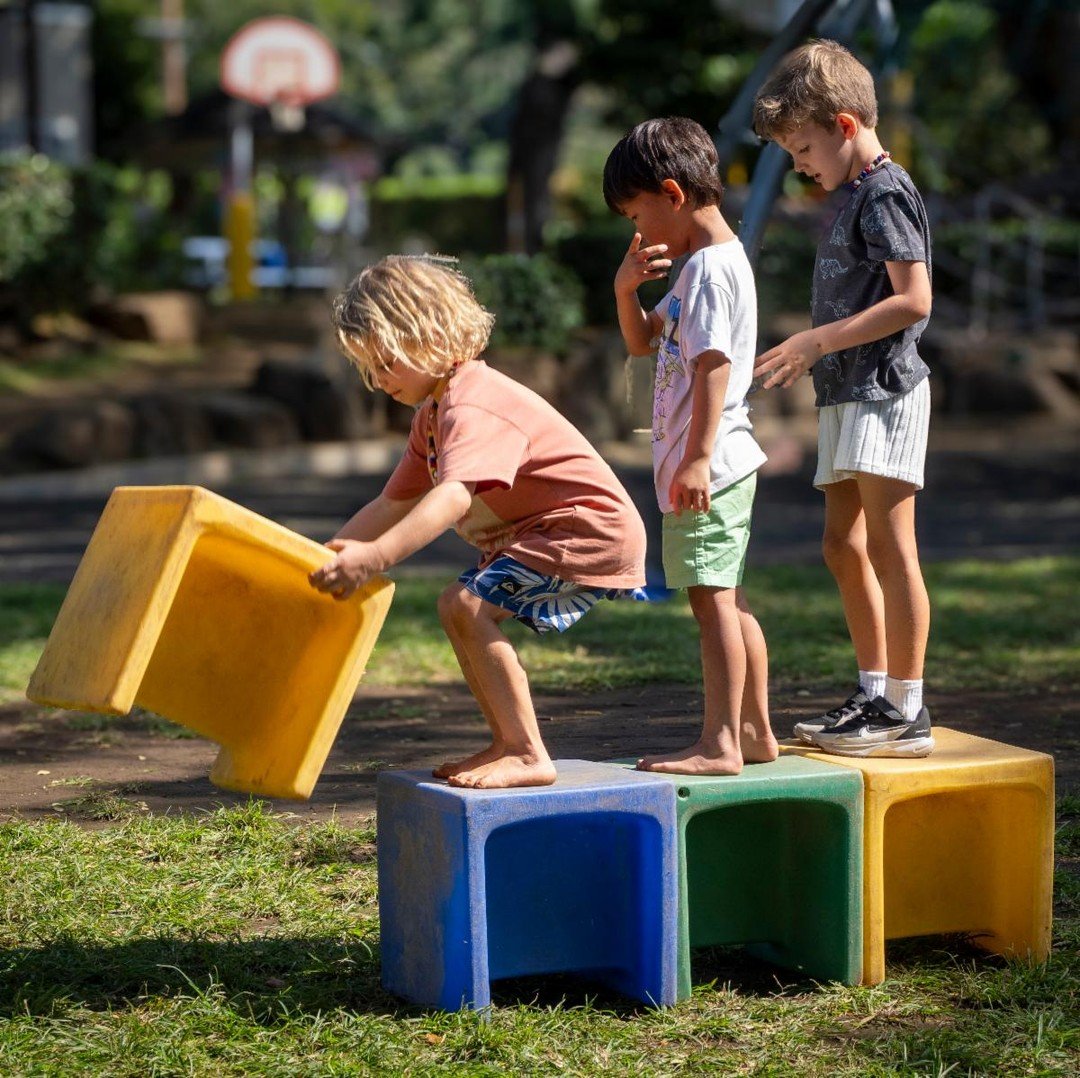
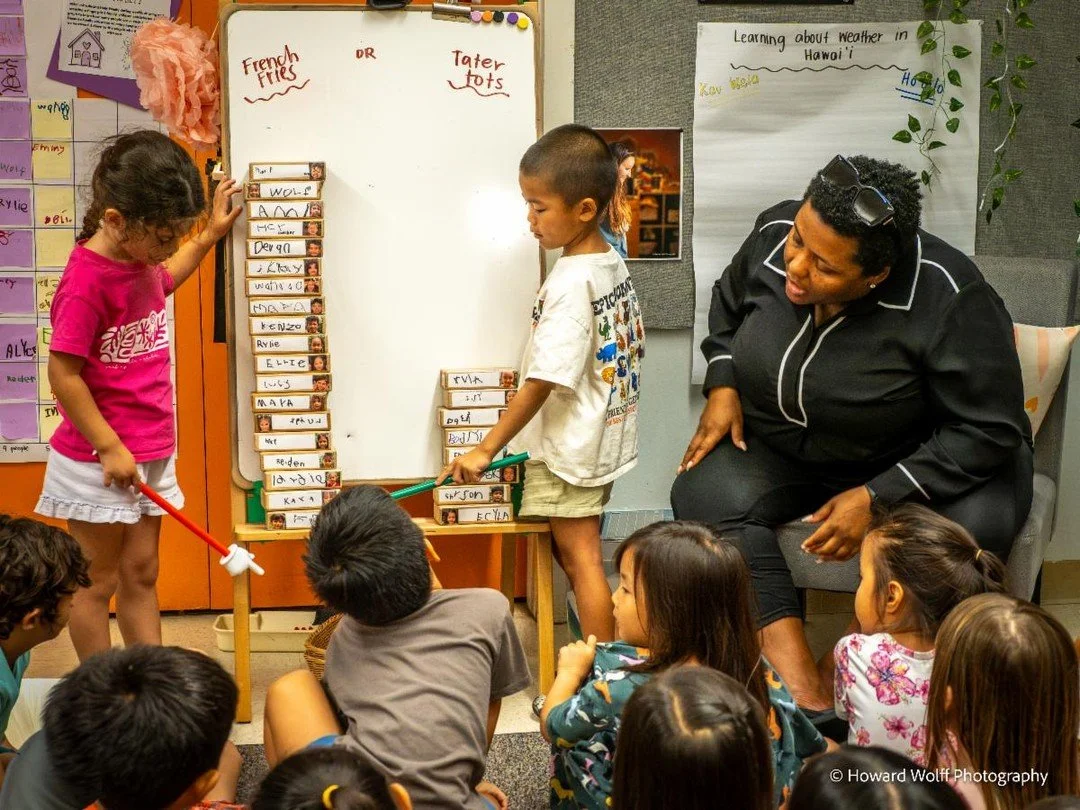
Hanahau‘oli School nurtures life-long learners – children, teachers, and parents. Since the school’s founding in 1918, Hanahau‘oli honors the natural way Junior Kindergarten - 6th Grade children learn – through doing – by making learning exciting, challenging and enjoyable. Our intimate and nurturing learning community supports connections between home and school and the world, respecting and celebrating the uniqueness of the Hanahau‘oli child while appreciating the interconnectedness that defines our learning ‘ohana. Grounded in tradition yet embracing of innovation, we perpetuate “joyous work,” committed to being a resource and symbol of learning’s potential.
“Progressive education...is a moving, dynamic, changing education – not a theory or a system proved and therefore static, but a living thing, growing, continuously having to change because of the three great changing elements with which we deal – children, environment and civilization or culture. This should not indicate instability or following fads, nor change of fundamental principles. But it does indicate a readiness to accept a new viewpoint when the need for it arises; it does indicate watching life and children alertly – not passively as so much former education has done.”
Joyous Work in Action
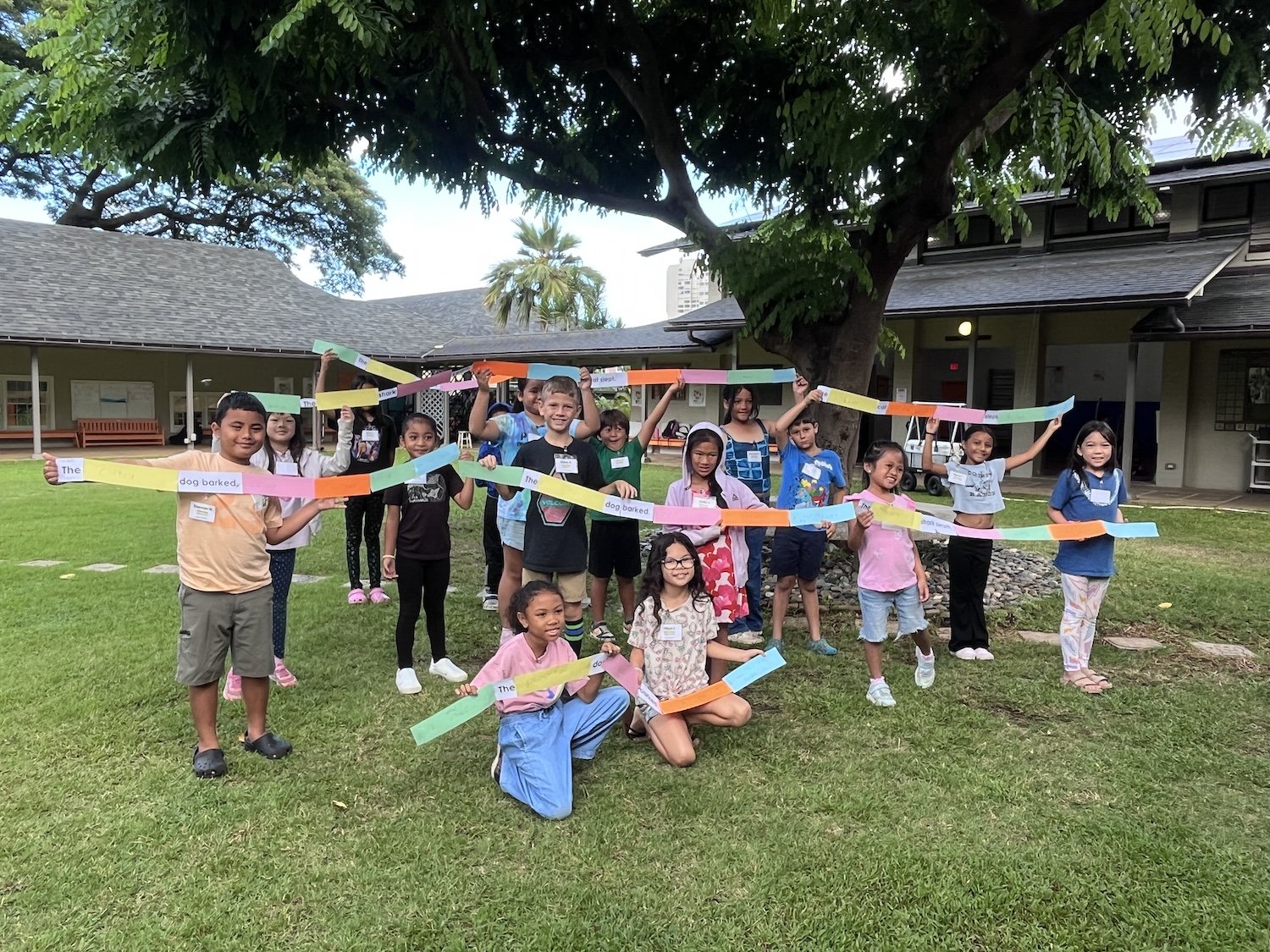
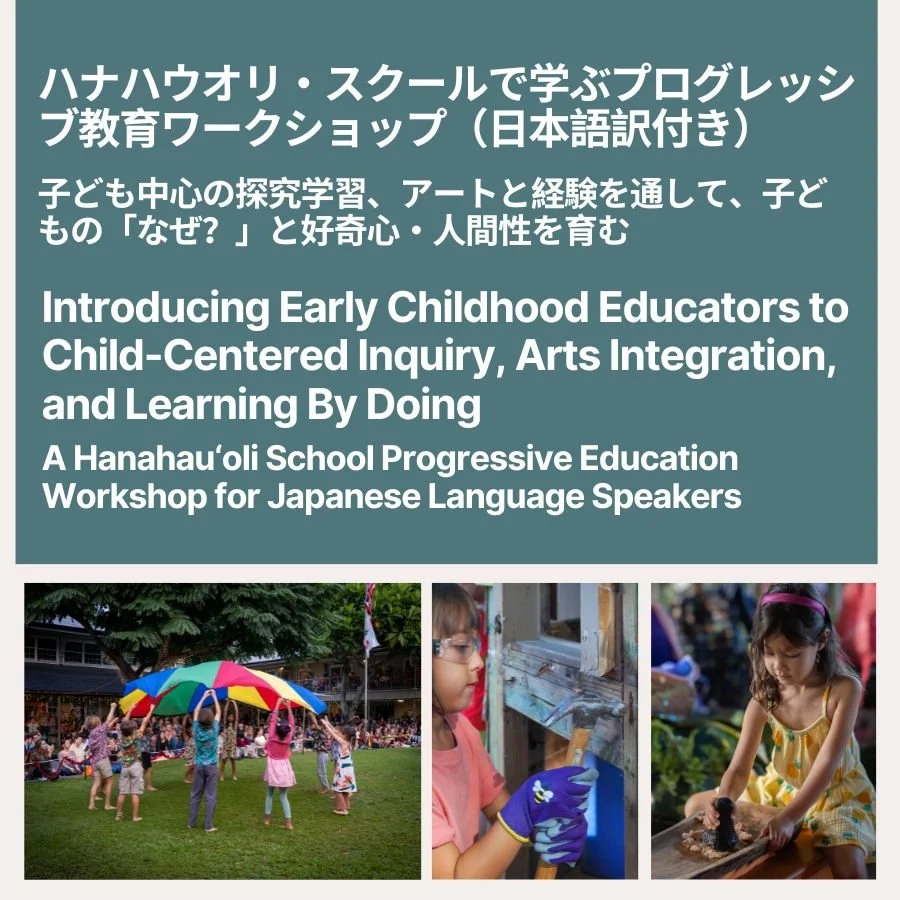
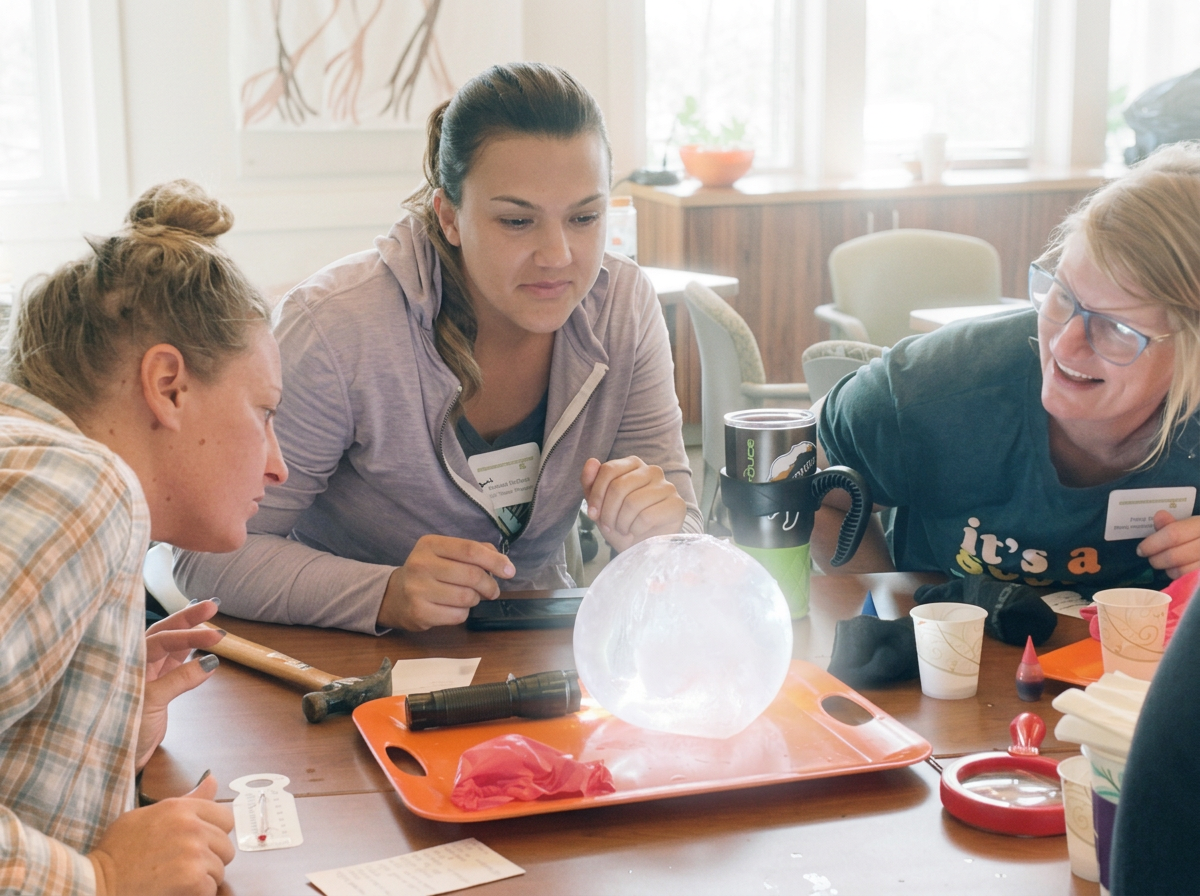
Progressive Philosophy and Pedagogy Blog

Hanahau‘oli School Instagram
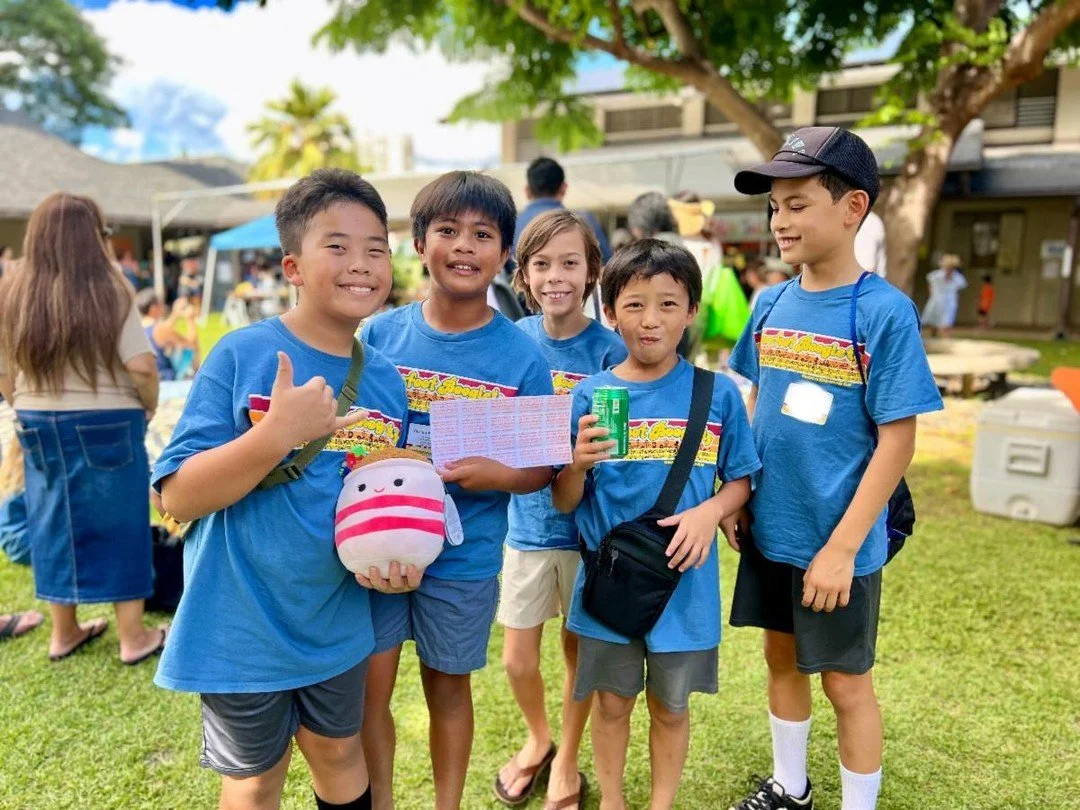


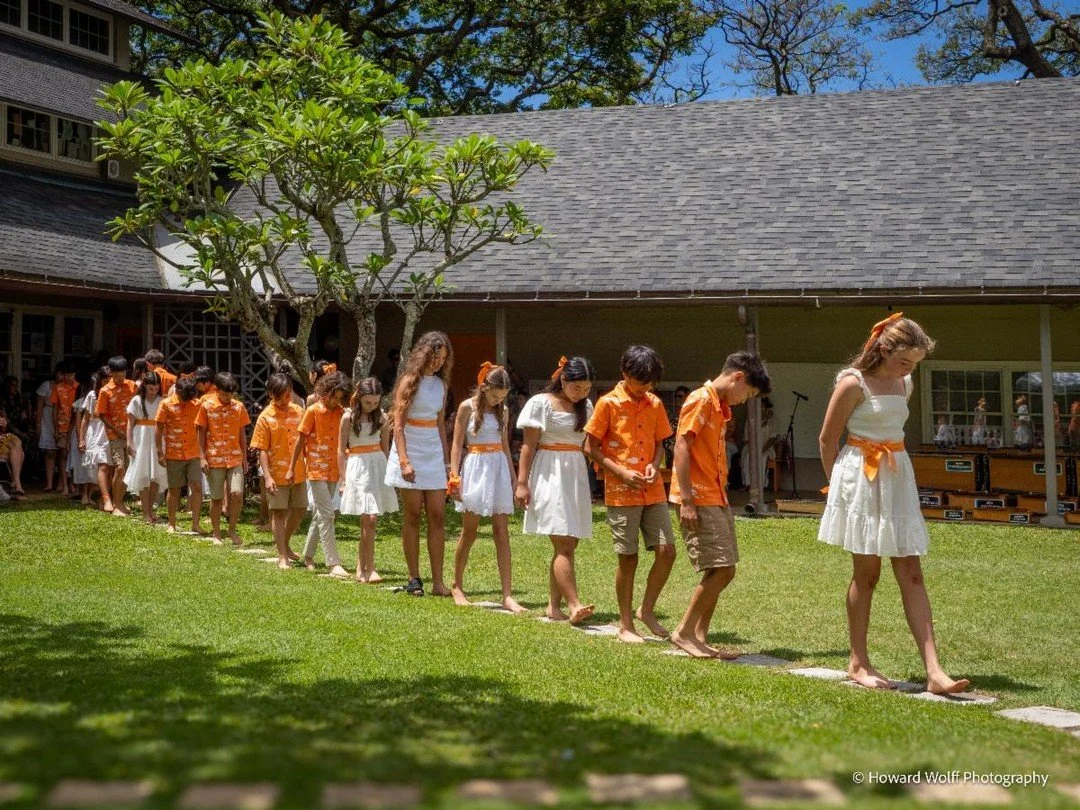
““Hanahau‘oli is my sanctuary, where I’ve met so many amazing people, friends, and teachers, have uncovered talents and discoveries, and most importantly, where I learned to use my hands and hear my heart.””
Hosted by science journalist Shankar Vedantam, Hidden Brain is a popular podcast that uses science and storytelling to explore the unconscious patterns, hidden biases, and psychological triggers that drive human behavior, shape our choices, and influence our relationships. In two recent episodes, Vedantam had a conversation with Dr. Lisa Miller, a psychologist at Columbia University, Teachers College. She is also the author of The Awakened Brain, The New Science of Spirituality, and Our Quest for an Inspired Life. You can find links to the two Hidden Brain episodes here: